Physical Address
304 North Cardinal St.
Dorchester Center, MA 02124
Physical Address
304 North Cardinal St.
Dorchester Center, MA 02124
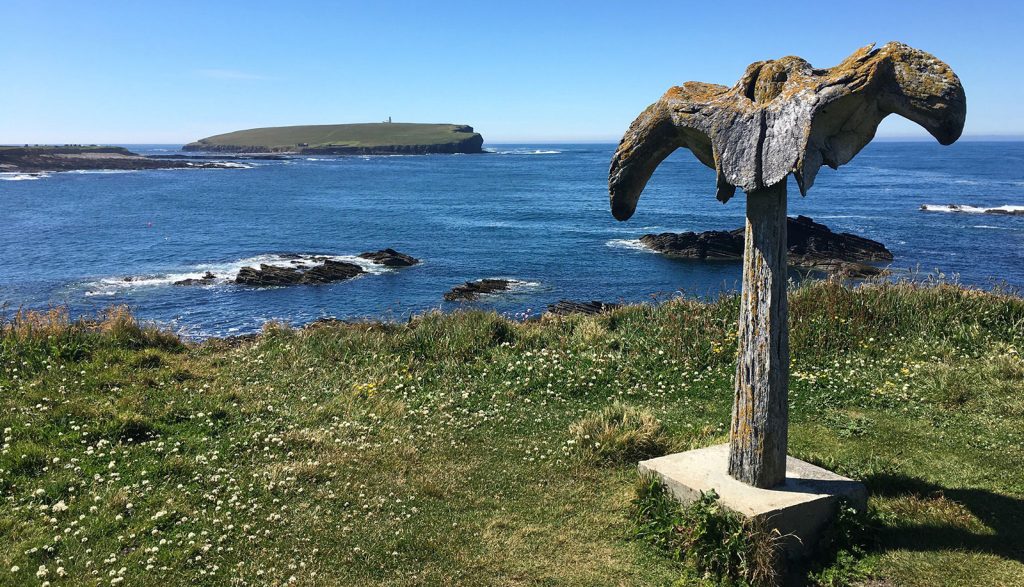
In the 1870s a large whale was washed ashore in Doonagua Geo, the stony beach below where the bones have stood for many years at Nether Queena on the Northside of Birsay.
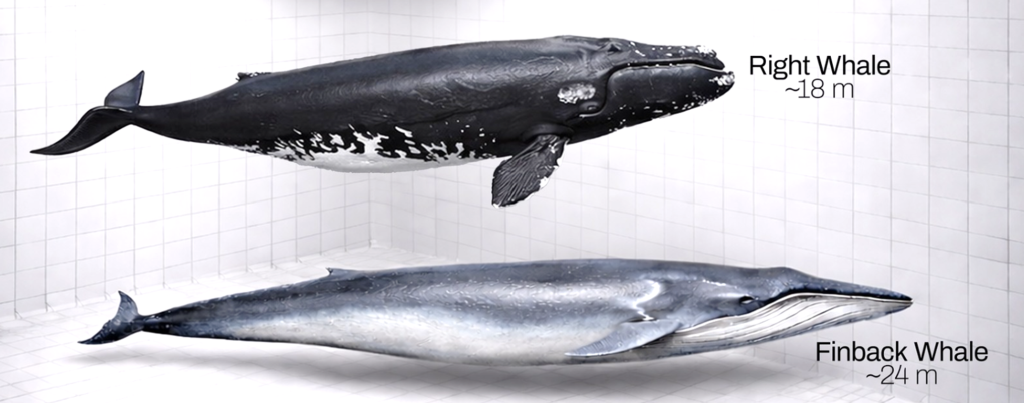
Although some researchers think it was a fin whale, local people believe it was a Right whale, so named by whalers who considered them the “right” whales to hunt, since they were rich in blubber (which makes them float when they are killed and produced high yields of whale oil), easy to catch (they are relatively slow swimmers), and often swim within sight of shore. Right whales could be up to 60ft long. Tt is assumed the Birsay whale was already dead when it washed up on the shore at Birsay.
The local men of Northside decided they would buy the Birsay whale carcass from the Receiver of Wreck and process it themselves for a bigger profit. Although they did manage to salvage meat, bone and oil, they were unable to turn the whale over to access all the blubber. It is said that although they didn’t lose money, the overall endeavour was seen as a disappointment.
The carcass was left to decompose on the beach for several more years before the bones could be easily accessed. Kenny Ross’s grandfather, born in 1898, recalled being taken to see the remnants of the whale, so it must have remained on the beach for at least 25 years.
The whalebone sculpture
It would have taken considerable time for the flesh to rot from the bones so the whalebone sculpture may not have been erected until 1880, although some stories reckon it to have been standing since 1876. The post was formed from one side of the jawbone; the top or crossbar of the whalebone sculpture made from the back of the skull.
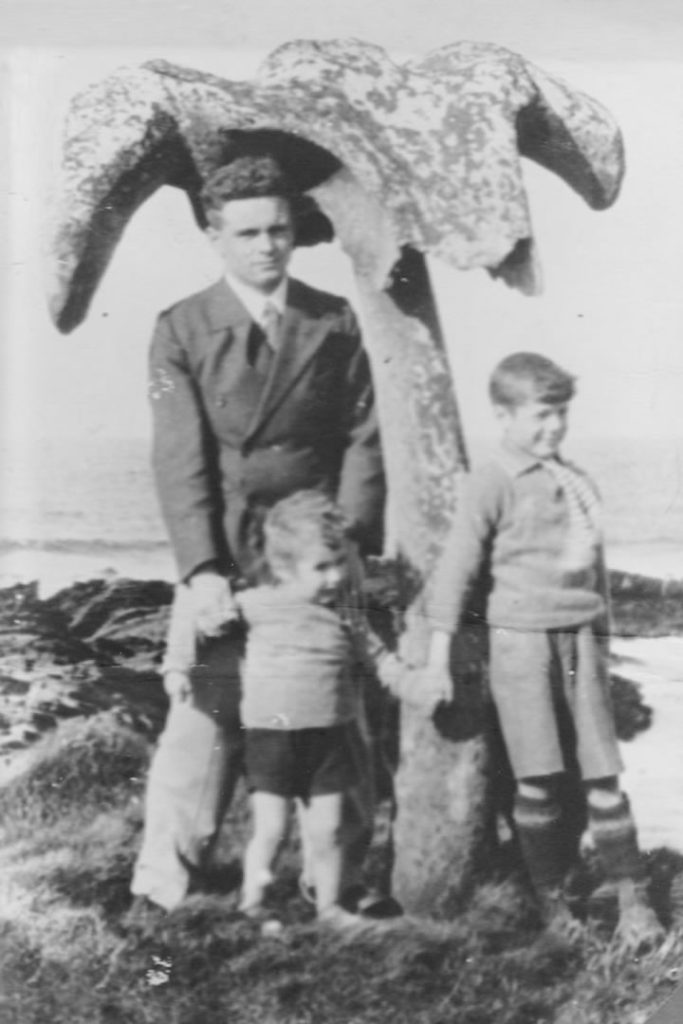
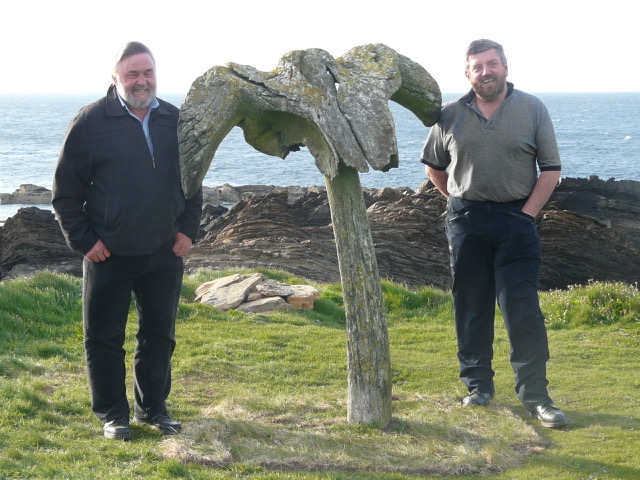
This photograph shows the original height of the structure. It was likely taken before 1932, according to Valerie Robertson whose dad Eddie Mowatt, from Banks, Birsay is the bigger boy in the photo is my dad, with his half-brother Bob Hunking and step dad Alf Hunking. She said: “Dad was born in 1922, and he’s probably younger than 10 in the photo, so before 1932.”
Its original height above ground was around 2.1m, with the bottom of the jawbone buried in the ground to a depth of about 60cm. Over the years, the jawbone support breaking off near the ground a couple of times, it’s become shorter and is now about 1.7m tall.
Why is it there?
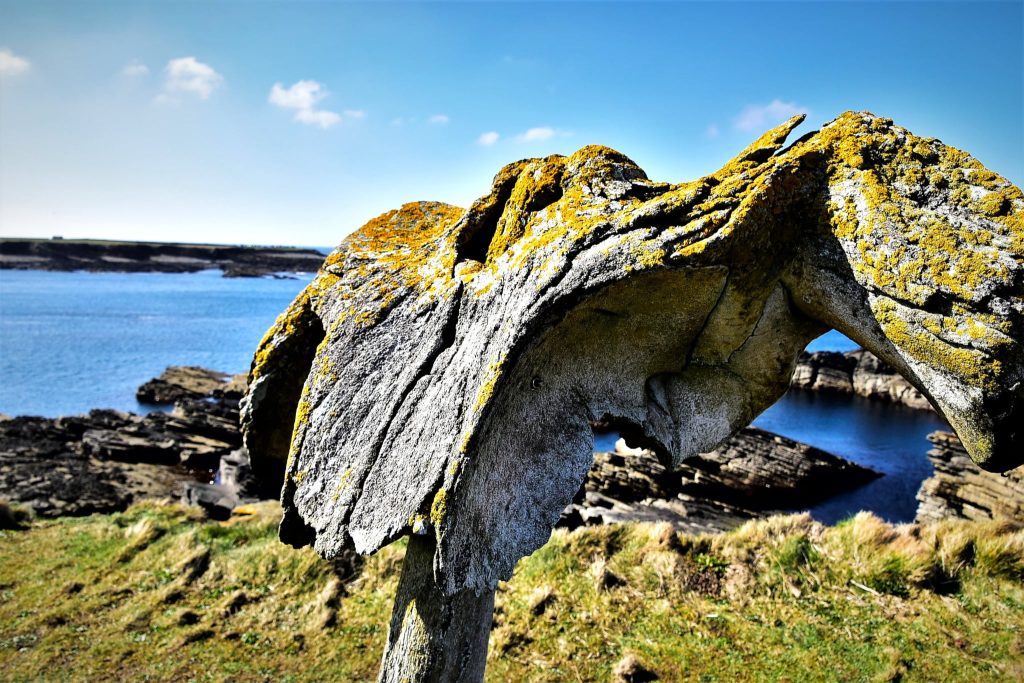
Someone must have been very determined to erect the whalebone – it recently took four men to lift the crossbar onto the post. The cross bar skull bone now weighs 140lbs (64kg) but would have been heavier before it eroded.
Who erected the whalebone sculpture is not recorded, nor why. It may have been practical, superstitious, or just for fun. Facts are hard to find, but whatever the reason for its being there, people from Birsay and across Orkney–and many from far away–have had great affection for it, and found a purpose for it in their own lives. Since the whalebone disappeared from the shore, many local people have said how much they miss it: its loss is keenly felt. People from all over Orkney–and visitors from around the world continually, and sadly, ask “what’s happening to the whalebone?”
People talk about the whalebone as a special place: a place for meeting, greetin’, telling secrets, weddings, celebrations, betrothals, scattering of ashes, birthdays, holidays, memories. One woman who used to stay in Northside went to the whalebone to think – now in Canada, she finds a quiet place near her home and thinks of the whalebone.
What’s next?
Birsay Heritage Trust are raising money to commemorate the whalebone with a bronze statue using a 3D digital model made by the archaeology department of UHI in Orkney College some years ago. The American landowner, a descendant of the original Northside Men, is keen to support this project. An internationally known symbol of Orkney, images of the whalebone are used by local businesses in their branding. We will build on this, selling merchandise using the whalebone image to raise funds for the project, which will continue to be sold afterwards to generate income for the Birsay Heritage Trust, as well as giving employment to local people.
The whalebone project overall is an opportunity for Birsay and the wider Orkney community to build connections, strengthening community ties, and creating a legacy around the whalebone for the future: a celebration is mooted for when the statue is installed, which may become a regular festival.
Birsay Northside family members and others with links to Northside are involved with the project to return its iconic image to the shore, to ensure the heritage and history of the whalebone is not forgotten: Spences, Mowats, Johnstons and Taylors, and from Albert Spence, Johnny Johnston, Tommy Matches, Kenny Ross and others.
The project will give back to the shore something much missed, and to commemorate its long life: from the whale stranded in a storm to the whalebone toppled by winds.
Further details will become available in the next few weeks
How you can help!
If you have any memories, associations, stories or photographs of the Birsay whalebone – or whales and whaling generally, please let us know!
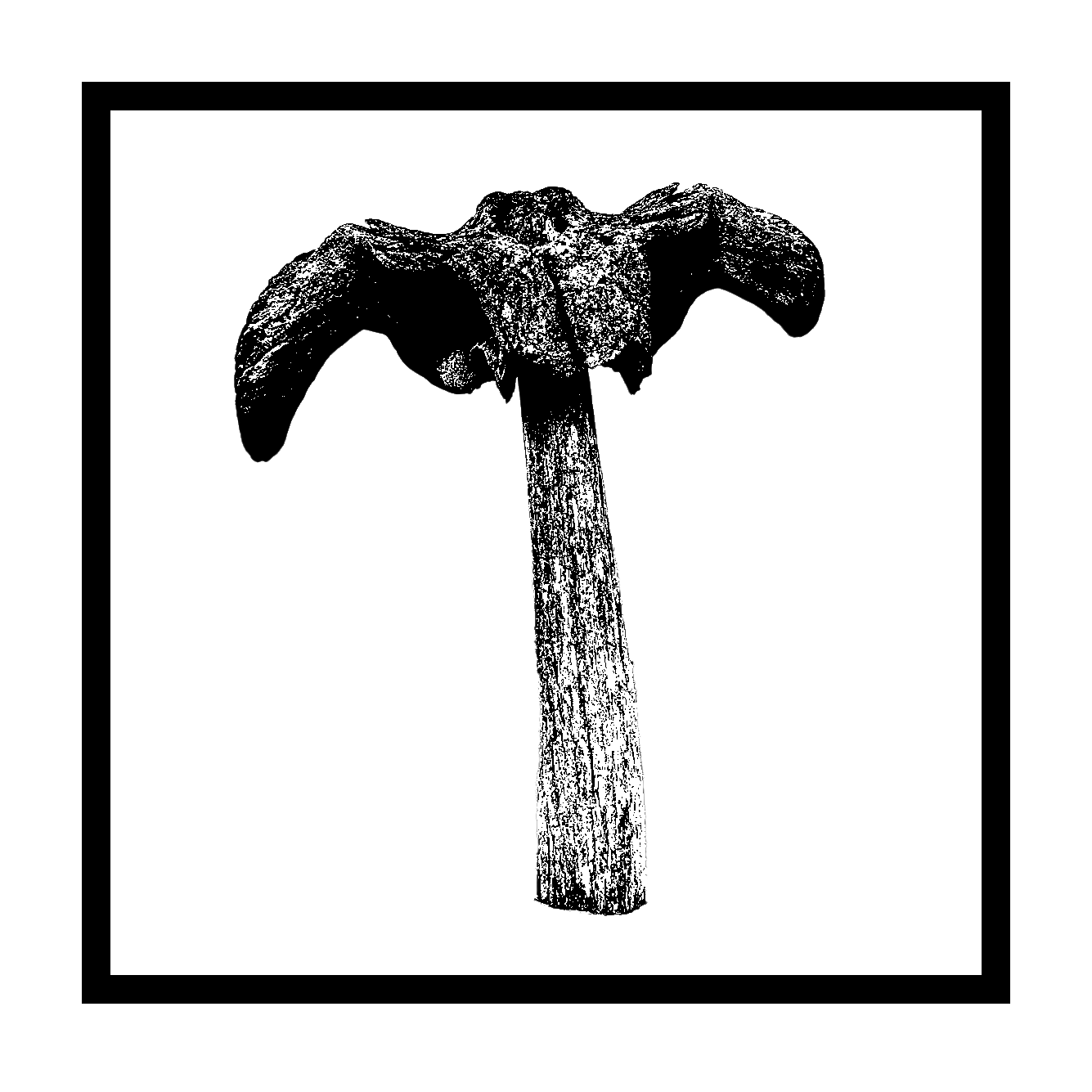
We are crowdfunding on Zeffy, where every penny goes to the project. Donations will be very welcome, along with ideas for activities and events to raise money. Birsay whalebone merchandise will be available soon on the Zeffy website. with all proceeds going to the project. This QR code takes you directly to the Zeffy page:

Help us reach our fundraising target by posting on social media – and telling all your friends!